Top 10 Attractions in Makkah

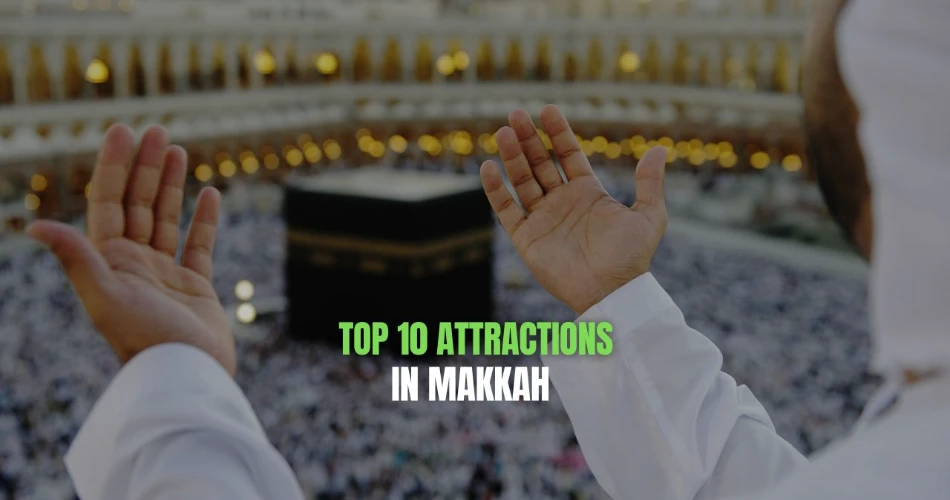
Golden minarets, echoing calls to prayer, footsteps of millions mark Makkah as the spiritual heart of Islam. As the birthplace of Prophet Muhammad (PBUH) and home to the Kaaba, every place in Makkah spills out thousands of years of faith, history, and divinity. There are ancient mosques to legendary wells to sacred hills, to landmarks, all of which continue to shape the heart of believers around the globe. In this guide, we delve into the top 10 places to visit in Makkah. So, let’s get into it without any further ado!
Masjid Jin
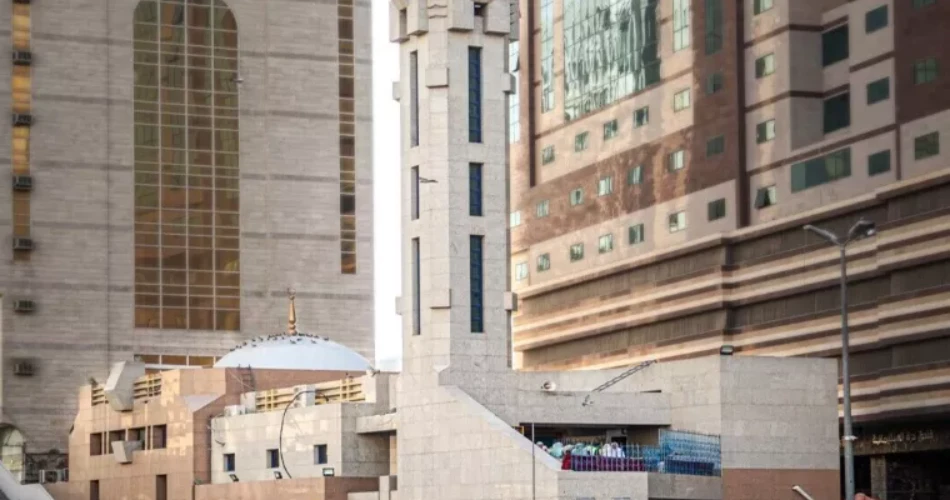
On the outskirts of Makkah lies Masjid al-Jinn, an unpretentious mosque that connects to one of the more mythical events in Islamic history. In accounts of the event, the Prophet Muhammad (PBUH) recited verses from the Quran, and these verses were overheard by a group of jinn who accepted the message of Tawhid. The pilgrims and visitors come not for its façade, but for the legacy of the Prophet's mission and the reach of the Quran beyond the human world. The mosque serves as an invitation to consider the elements of faith that are not natural, and the impact of a Prophet’s speeches and behavior, which extend to the unseen.
Masjid Aisha
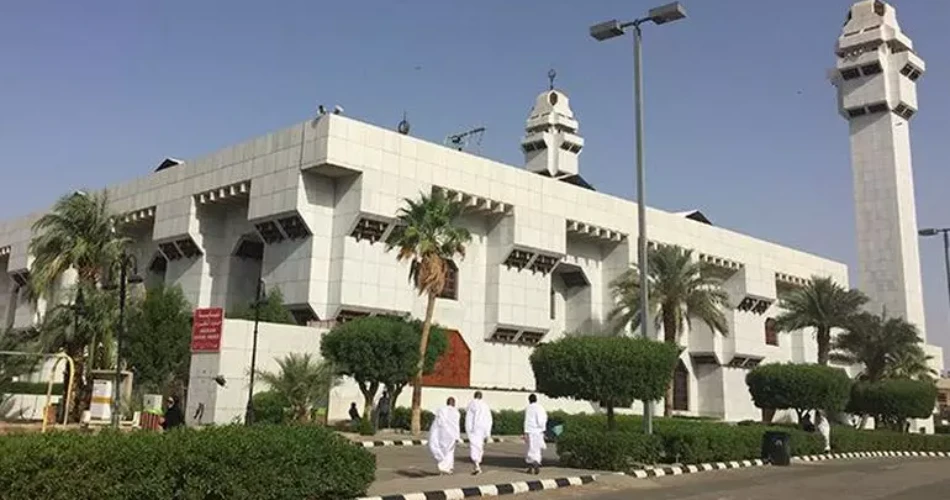
A few kilometers away from the Holy Kaaba, Masjid Aisha is an important religious site in Makkah. When a woman wishes to perform Hajj or Umrah, Masjid Aisha is her assigned miqat where she puts on the symbolic white pieces of ihram clothing, declares her niyyah (intention), and begins her sacred rituals. Although men have their miqats, of which Masjid Aisha is not one, women must use it if they are in the vicinity of Makkah.
Jannat al-Mu’alla Cemetery
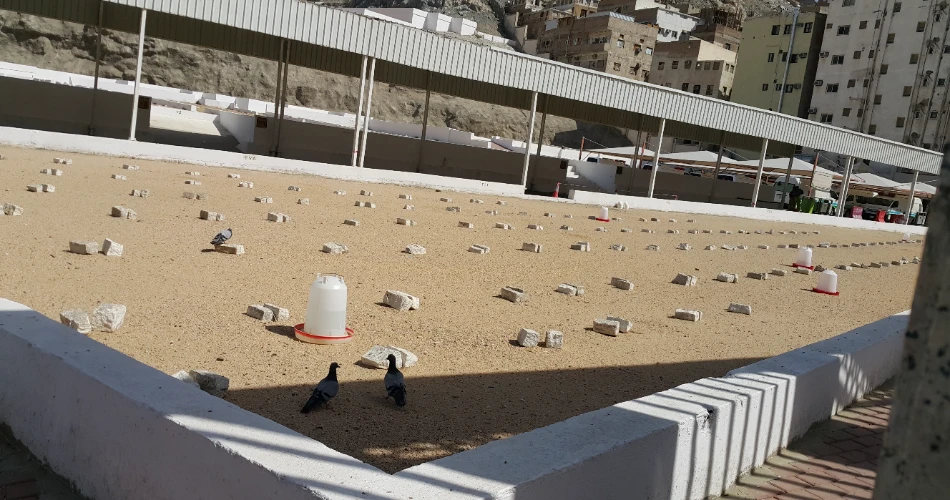
Also known as the “Garden of Paradise,” Jannat al-Mu’alla is the final resting place of several family members of the Prophet Mohammad (PBUH), including his grandfather Abdul Muttalib, beloved wife Khadijah (RA), and a few known figures in Islamic history. Visitors and pilgrims visit this site to pray, meditate, and contemplate the glorious legacy of people buried in this cemetery.
The Clock Tower Museum
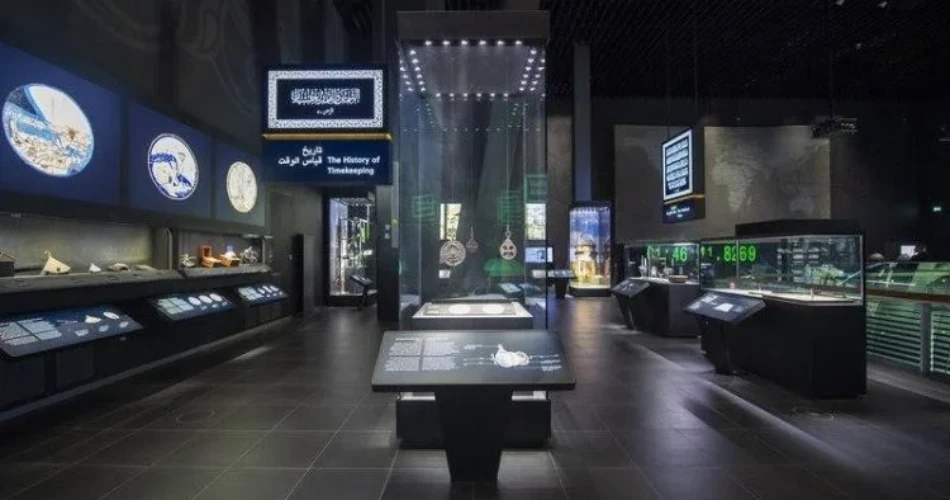
One of the best attractions in Makkah, the Clock Tower Museum, is a unique cultural experience located in the Abraj Al Bait Towers next door to Masjid al-Haram, combining spell-binding views with interesting exhibits. Spread across the 4 floors, this museum allows visitors to step back in time as they stroll through the collections of displays, including the universe, celestial mechanics, and the evolution of the clocks. The star of the show is the deck that’s totally worth the hype, thanks to the jaw-dropping 360-degree view of the Holy Mosque and even the city beyond.
Makkah Museum
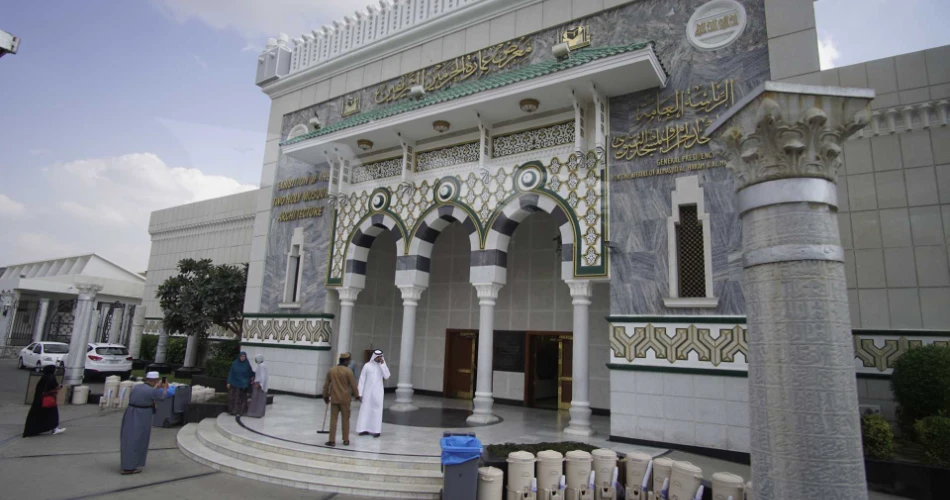
The Makkah Museum, also referred to as the "Makkah Regional Museum," is one of the best places to visit in Makkah and represents a gateway to the city's deep-rooted Islamic history. The Makkah Museum acts as an introduction to the Islamic legacy of the city for future generations, allowing visitors to view many artifacts, historical relics, and heritage items, all documenting from before Islam to the present day and ultimately the transition of the holy city. The visit takes you through several stories about the lives of prophetic individuals such as Prophet Ibrahim (AS), the origin of the Kaaba, and its rise to the focal point of Muslims on pilgrimage. One area of note focuses specifically on the Hajj pilgrimage, documenting the rituals, traditions, and spirituality of each associated aspect of the pilgrimage. The museum has also collected rare Qur'anic manuscripts, the history of ancient maps, and archival documents that have recorded the religious and urban development the city has gone through over time.
The Well of Zamzam
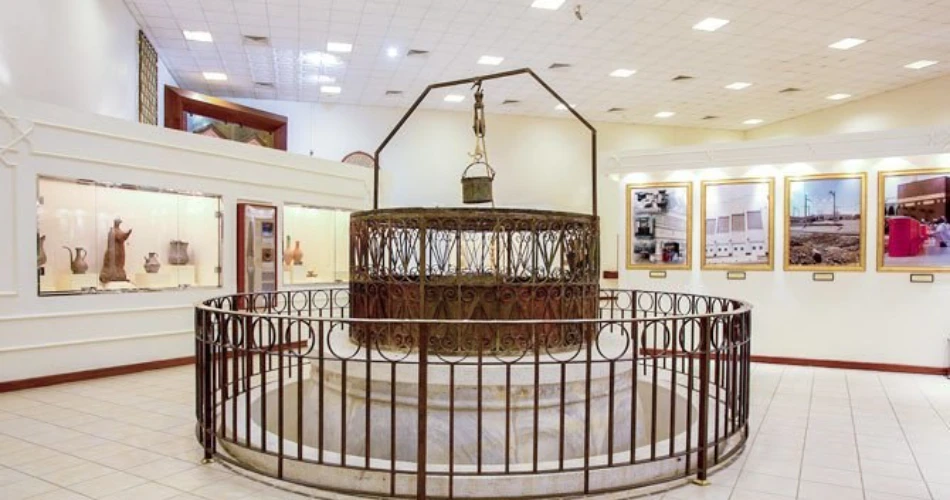
The Well of ZamZam is located within one of the most holy mosques and sites in Islam, the Masjid al-Haram. Deeply entrenched in an extensive Islamic tradition, Zamzam is considered one of the most sacred and revered water sources in Islam, making it one of the historical places of Makkah. According to Islamic tradition, the Zamzam well sprang forth by the command of Allah to alleviate the dehydration of Hagar and Ismaʾil. Not just a source of water, Zamzam also embodies faith, mercy, and survival. Pilgrims drink water from Zamzam and take home volumes of Zamzam water as a means of blessing, inspiration, renewal, and purity.
Mount Arafat
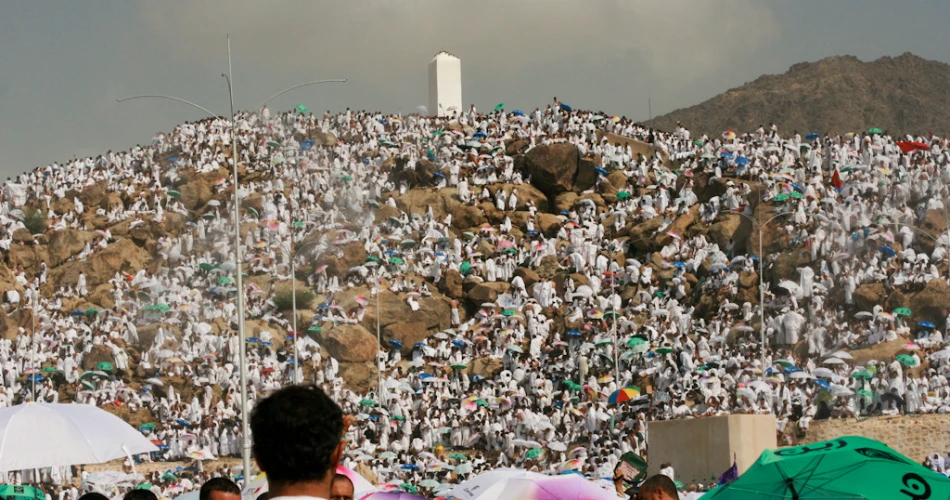
Mount Arafat holds significant importance in Islamic faith history. Every year, on the 9th of Dhul-Hijjah, millions of pilgrims gather on this hill for the most important day of Hajj, the Day of Arafat. This hill is also where the Prophet Muhammad (PBUH) gave his very last sermon and highlighted the values of justice, equality, and unity of the Muslim ummah. On this day, the pilgrims stand in deep contemplation and pray, raising their hands in prayer and supplication, seeking Allah's forgiveness, mercy, and guidance.
Safaa And Marwa
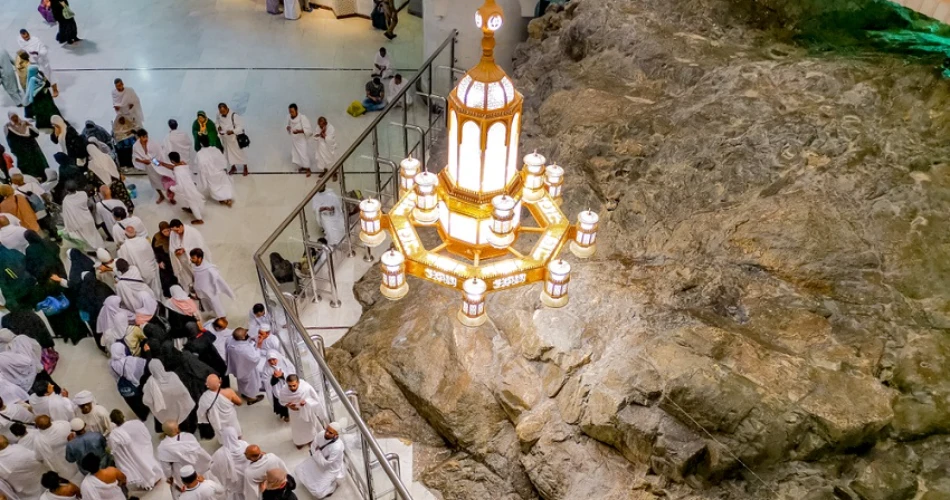
Safa and Marwa are two simple yet sacred hills located within Masjid al-Haram in Makkah. They hold profound historical and spiritual significance, rooted in the story of Hajar (AS), the wife of Prophet Ibrahim (AS), who ran between these hills in search of water for her infant son, Isma'il (AS).
Mina
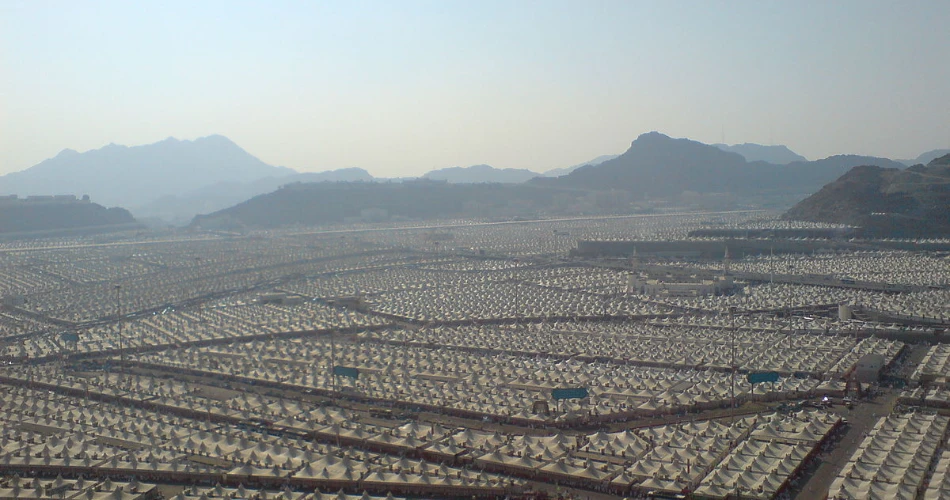
Mina, a valley situated a few kilometers east of Makkah, is an important part of the sacred pilgrimage called Hajj. Pilgrims reside in Mina, in temporary housing granted as large rows of white lodging, while they perform the ritual called Ramy al-Jamarat (stoning of the devil). In this ritual, the pilgrims throw pebbles at three stone pillars to reenact the chance Prophet Ibrahim had to resist Satan's attempts to deter him from God's demand. This ritual is a tangible and clear act of a believer's denial of evil and submission to Allah's demands.
The Black Stone
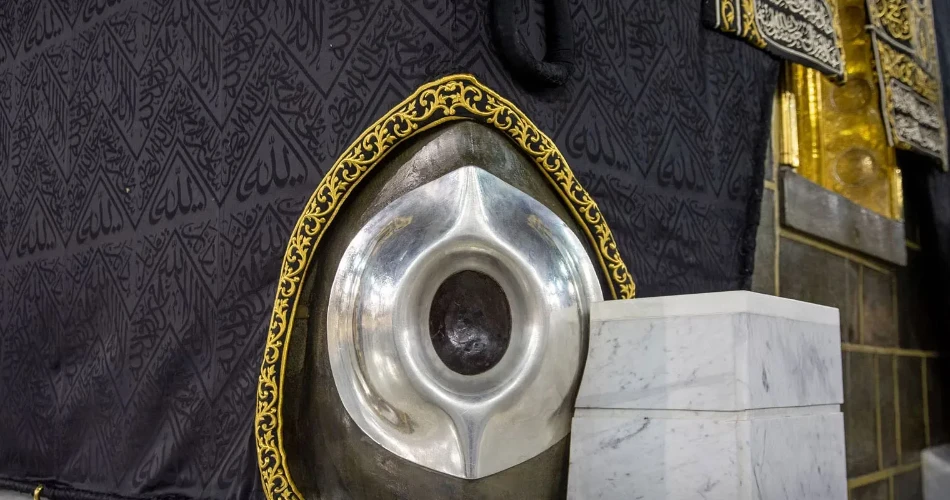
It is believed that the black stone was given to Prophet Ibrahim by the angel Jibreel (Gabriel), and it is a supernatural artifact of the genesis of the Islamic faith. The Black Stone was once pure white but had become black from absorbing the sins of those who had touched it. By touching or kissing the Black Stone, a Muslim expresses their humility to God, expresses their union with their Muslim ummah, and expresses their internal desire to be purified and forgiven. The experience of touching or kissing the Black Stone opens a personal, intimate encounter and engagement.

About Author
Isla is known as one of the best female solo travel bloggers today. She has been to Europe, UAE, and America and has penned down her experience in her blogs to inspire other travel enthusiasts.